Middle East Conflict: Rising Tensions & Civilian Toll in Lebanon
The Middle East is once again at a critical juncture, gripped by escalating tensions that threaten to unravel the fragile peace in several nations. While the world's attention often oscillates, the human cost of these conflicts remains a stark reality for those caught in the crossfire. Recent developments, particularly in Lebanon, highlight a tragic surge in civilian casualties, underscoring the urgent need for de-escalation. For those seeking to stay informed with the latest
nahost ticker news, the situation paints a grim picture of widespread regional instability, fueled by a complex interplay of state and non-state actors.
The repercussions of the ongoing conflict extend far beyond the immediate battlegrounds, impacting daily life, international relations, and regional stability. From drone and missile attacks targeting Gulf nations to the heartbreaking loss of innocent lives, the current phase of the Middle East conflict demands careful attention and a deeper understanding of its multifaceted dynamics.
Lebanon's Escalating Crisis: A Human Cost
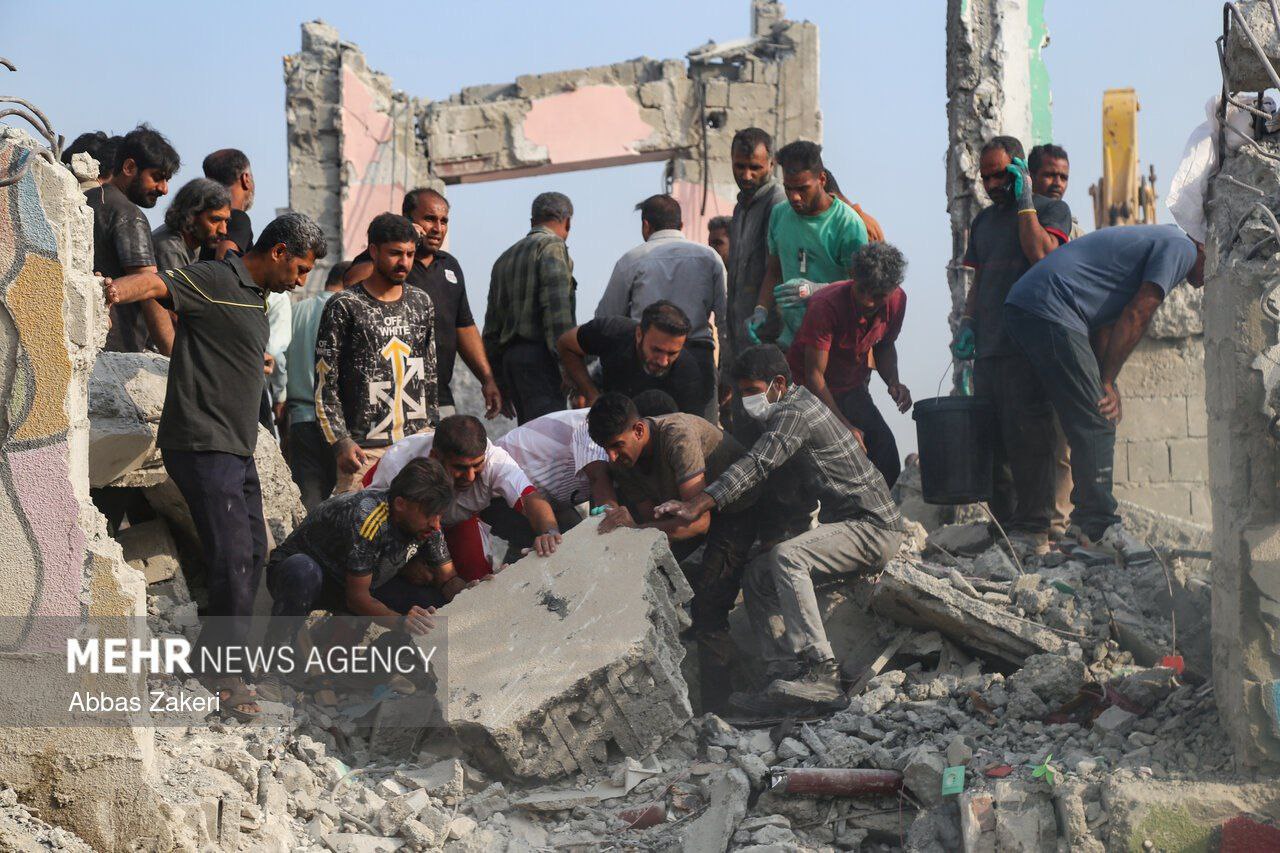
In a devastating escalation of violence, Lebanon has recently borne a heavy human cost. Reports from the Lebanese Health Ministry confirm a tragic surge in casualties, with at least 50 people killed and 335 injured over a two-day period due to Israeli attacks. Among the victims, a particularly heartbreaking detail emerged: at least seven children have lost their lives, underscoring the indiscriminate nature of modern warfare and its profound impact on the most vulnerable. While the reports also indicate that officials from the militant-Islamist Hezbollah and the Palestinian Islamic Jihad (PIJ) were among the deceased, the high number of overall casualties, including children, raises serious concerns about civilian protection.
The precise proportion of civilians among the 50 fatalities remains unclear, a common challenge in conflict zones where reporting can be fragmented and contested. However, any loss of civilian life is a profound tragedy, demanding international scrutiny and adherence to humanitarian law. The presence of armed groups operating within civilian areas inevitably complicates military responses, yet it also places a heightened responsibility on all parties to exercise extreme caution and distinguish between combatants and non-combatants. The sheer scale of injuries—335 people wounded—indicates a widespread impact, straining Lebanon's already struggling healthcare infrastructure and creating long-term physical and psychological trauma for hundreds of families. This grim reality is a critical part of the
nahost ticker news that often gets overshadowed by geopolitical analysis, reminding us of the human element at the core of the conflict.
Iran's Far-Reaching Aggression: A Region Under Siege
The current surge in tensions is not confined to Lebanon alone but reflects a broader pattern of Iranian aggression that has put several Gulf nations on high alert. The United Arab Emirates (UAE) has reported an astonishing figure: it has been subjected to more than 1,000 Iranian drone and missile attacks. This sustained campaign of airborne assaults highlights Iran's increasingly assertive posture and its willingness to project power across the region using advanced weaponry. The sheer volume of these attacks signifies a deliberate and systematic strategy aimed at destabilizing regional security and asserting dominance.
Further corroborating this pattern, Qatar disclosed that two Iranian missiles were fired at its territory. While Qatari air defense systems successfully intercepted one, the second ballistic missile struck the strategically important US military base of Al-Udeid. Fortunately, no casualties were reported at the base, but the incident underscores the direct threat posed to international military assets and personnel stationed in the region. Kuwait has also reported the tragic loss of two of its soldiers due to Iranian attacks, notifying both the United Nations Secretary-General and the President of the UN Security Council of these grave developments.
These incidents, ranging from sustained barrages against the UAE to targeted strikes on Qatar and fatal attacks in Kuwait, paint a clear picture of a region under siege. Iran's deployment of drones and ballistic missiles demonstrates a sophisticated military capability and a willingness to use it against sovereign states and international forces. This escalation is not merely a series of isolated incidents but represents a calculated strategy that reshapes the geopolitical landscape. For a deeper dive into this alarming trend, read our detailed analysis on
Iran Unleashes 1,000+ Attacks: Gulf Nations Face Escalating Threat, which provides comprehensive insights into the evolving threats faced by Gulf nations. Keeping abreast of
nahost ticker news reveals that these actions are forcing a significant re-evaluation of security paradigms across the Middle East.
The Geopolitical Chessboard: Israel's Stance and International Implications
Amidst the escalating regional conflict, Israel's strategic objectives and defensive posture play a critical role. According to Israeli UN Ambassador Danny Danon, Israel, in cooperation with the United States, maintains control over almost the entirety of Iranian airspace. Danon expressed confidence in demonstrating this aerial superiority in the coming days, while acknowledging the inherent difficulty in targeting all of Iran's hidden military assets. He noted that Iran has weakened its capacity to launch its own missiles but continues to store them in underground bunkers, caves, and other clandestine locations.
Israel's stated goals for its operations within Iran are clear and focused: "No nuclear weapons, no missile threat, no terror infrastructure." This tripartite objective underscores a strategic approach aimed at neutralizing immediate and long-term threats to Israeli security. Danon appealed to both Israeli citizens and the broader regional population, asking for "a bit more time" to further weaken the Iranian military, assuring them that "this will not go on forever." This highlights the perceived necessity of ongoing military action balanced with a promise of eventual resolution.
The involvement of the US, as indicated by Danon, signifies a broader international dimension to the conflict, reinforcing alliances and shared strategic interests in containing Iranian influence. However, the complexities of this geopolitical chessboard extend beyond military might. The former Trump administration's perceived lack of a clear strategy for Iran's future leadership, as briefly noted in the reference context by Friedrich Merz, underscores the ongoing debate among Western powers regarding the most effective approach to Iranian destabilization. The delicate balance between military deterrence and diplomatic engagement remains a significant challenge for international actors. To fully grasp the scope of
nahost ticker news and its implications for regional stability, exploring the intricate dynamics between these powers is essential. For more on the broader strategic implications, delve into
Geopolitical Shift: Iran's Aggression Reshapes Middle East Stability.
Beyond the Battlefield: Socio-Economic and Human Impact
The reverberations of the Middle East conflict extend far beyond the direct impact on combatants and immediate civilian casualties. The escalating tensions have a profound socio-economic and human impact, disrupting daily life, international events, and long-term development across the region. A vivid example of this wider disruption is the postponement of the Long-Distance World Championship season opener, originally scheduled to take place in Qatar from March 26-28. The Fédération Internationale de l'Automobile (FIA), in consultation with the Qatar Motor and Motorcycle Federation (QMMF), cited the "safety of participants, staff, and fans" as the "highest priority" in light of the current geopolitical situation and the "Iran war."
This decision, though seemingly minor in the grand scheme of conflict, serves as a powerful indicator of how pervasive instability can be. It demonstrates that even non-military sectors, such as international sports and tourism, are not immune to the ripple effects of heightened regional conflict. Such postponements lead to significant economic losses for host nations, impacting local businesses, tourism revenue, and global event planning.
Furthermore, the continuous state of alert and conflict contributes to widespread psychological distress among populations, particularly in areas like Lebanon that have endured cycles of violence for decades. The constant threat of attacks, displacement, and the loss of loved ones create pervasive trauma, impacting mental health and social cohesion. Regional instability also deters foreign investment, stifles economic growth, and often leads to brain drain, as skilled individuals seek safer and more stable environments. The long-term consequences include stunted development, increased poverty, and a perpetuation of cycles of conflict, creating a humanitarian crisis that goes beyond immediate aid needs. Tracking
nahost ticker news often reveals how these broader impacts silently erode the fabric of societies, demanding a comprehensive and compassionate international response.
Conclusion
The Middle East conflict continues its volatile trajectory, marked by rising tensions, an alarming surge in civilian casualties, particularly in Lebanon, and a persistent pattern of Iranian aggression against Gulf nations. The human cost is undeniable, with innocent lives lost, hundreds injured, and the fabric of societies strained by constant insecurity. As current
nahost ticker news highlights, the strategic interplay between regional powers, global allies, and non-state actors creates a complex, ever-evolving landscape. While military actions aim to neutralize threats, the broader socio-economic and psychological impacts resonate deeply, affecting everything from international sporting events to the daily lives of millions. De-escalation, diplomatic channels, and robust international cooperation are paramount to prevent further loss of life and to pave the way for a sustainable peace that addresses the root causes of instability. Staying informed through reliable news sources is crucial for understanding the nuances of this critical global challenge.